
Bluffing 101: How to Outsmart Opponents in Poker
Understanding the Art of Bluffing
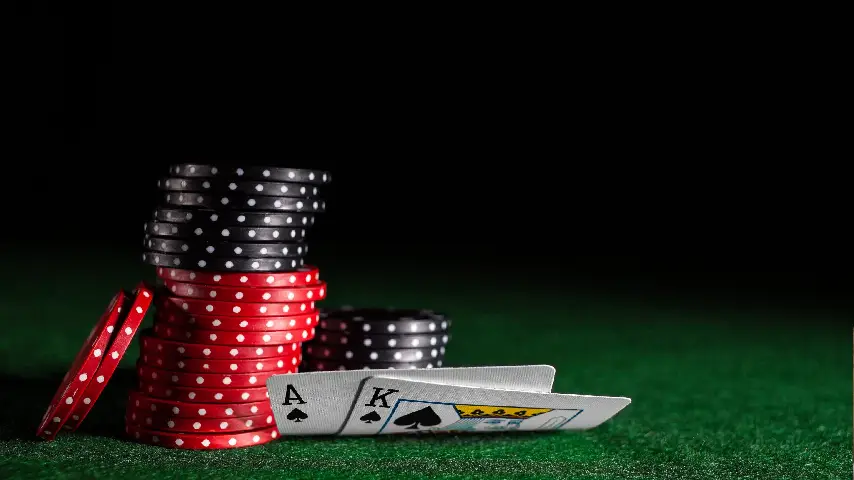
Poker bluffing is not just the act of deception, but an art that relies on psychology, timing and awareness. The idea is straightforward: make the opponents fold better hands by demonstrating the confidence in the cards. A good bluff is not just about luck, but about story telling, getting your opponents to believe that you have the winning hand. You can be doing a bold all-in or a little continuation bet, but it is all the same: you just have to make your story make sense and work with what you have said before.
When to Bluff and When to Hold Back
A winning bluff or a costly mistake depends on timing. The use of bluffing must never be random and frequent. Rather, select the instances when the circumstances favor your story. The best bluffing situations would be where you have to play against conservative players or when the communal cards would reasonably work in your favor regarding the supposed hand. As an illustration, when the flop portrays three consecutive cards or three cards of the same suit, signify the straight or the flush with certainty. It is not usually profitable to bluff at an early stage when little information is available or when one faces a calling station – a player who almost never folds. It is important to know whom to bluff and whom not to bluff.
Building a Strong Table Image
The perception of others about your play, your table image, has a strong effect on the success of bluffing. Folders can sometimes sell a bluff better since their opponent believes that they have good hands. Even a small gamble will send people away, should you have been tactful and long-suffering. On the other hand, once you have created credibility through aggressive playing or bluffing several times, your credibility will be destroyed, and they will call you more frequently. The most successful players are those who combine both aggressive and conservative styles to make them unpredictable and the opposing players are left guessing every move.
Using Semi-Bluffs and Continuation Bets
The semi-bluff is a bet that is made with a drawing hand; that is, a bet that can still ameliorate. It is a combination of possible hand strength and fold equity, which enables players to win without hitting the draw. An example is that you can have a flush or straight draw on the flop and put pressure on it with a probability of winning by improvement. Another effective bluffing strategy is continuation bets, which is a bet made after increasing the pre-flop and no matter what the result of the flop is. Since a majority of players do not get the flop, an appropriate continuation bet can be the pot.
Reading and Manipulating Opponents
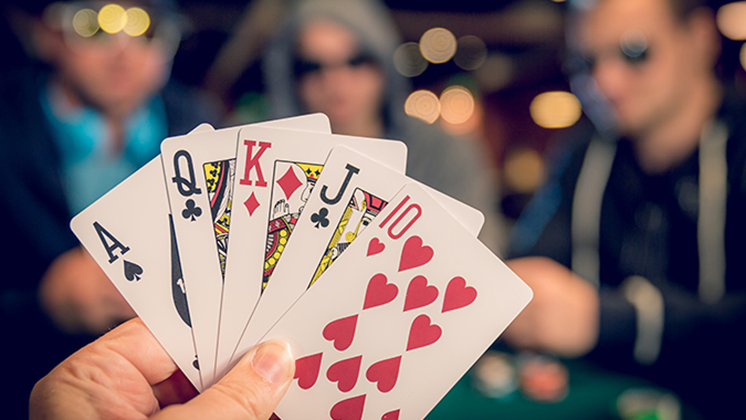
In order to be a good bluffer, you have to identify weakness. Hesitant bet sizes, lengthy decision making, or checks- they are usually signs of indecision. Bluffing is effective when the opponent is over mechanical in the interpretation of betting patterns. Change the time and quantities in order to confuse and distort sense. Nevertheless, excessive use of bluffing will work against you; experienced players will recognize inconsistency quite fast and employ it to your disadvantage. The combination of bluffs and sound value betting will make your strategy unpredictable and profitable.
The Power of Position
Position Position- can make a bad hand an effective weapon. Late position bluffing where you observe the play by others gives more information and control of the pot. The opponents tend to retreat after failing to determine whether your action is an indication of real strength. Having late-position bluffs combined with controlled aggression yield high returns and reduce the unneeded risks.
Staying Emotionally Controlled
The most perfect bluffs are those that are calmly and thought-out. Making emotional decisions or tilting bluffing after a loss is usually a disaster. Bluffing is only effective when it is strategic rather than frustrating. Be calm, follow the flow of the game and attack only when everything in the story works to your favor.
Altogether, the paper concludes with an exercise of the bluff with intent and precision.
In poker, bluffing draws the difference between amateurs and strategists. It does not lie but creates realistic stories with timing, position, and perception. Learning to bluff when to bluff, against whom to bluff, and how to bluff, turn poker into a psychological battle and not a game of chance. Even the best of the players understand that not all successful bluffs simply involve stealing a pot, but rather gaining respect, making people suspicious and keeping the advantage in the table.