
Online Gambling Is Changing Fast: 7 Casino Trends to Watch

The online casino industry is moving at a pace few sectors can match. What felt cutting-edge two years ago now looks dated, and operators that fail to adapt risk being left behind by nimble competitors and increasingly demanding players. From artificial intelligence and blockchain payments to immersive live studios and next-generation responsible gambling tools, the digital gambling world is being rebuilt from the inside out.
Below is a detailed look at the seven trends driving that transformation, why each one matters, and what they mean for the next wave of players and operators.
Why Online Casino Trends Matter More Than Ever
Player expectations have never been higher. Modern users compare online casinos with the streaming apps, mobile games, and fintech tools they use every day. A clunky interface, slow payouts, or generic bonuses simply do not cut it anymore. At the same time, regulators across Europe, North America, and Latin America are tightening the rules, forcing brands to innovate around compliance rather than in spite of it.
For readers who want to keep up with the shifts as they happen, industry outlets such as Husky.Space publish daily updates on licensing changes, product launches, and market moves before they filter into the mainstream press. Staying informed is no longer optional for anyone serious about the sector, whether you play casually, build products, or invest in operators.
1. Live Dealer Games Are Redefining the Player Experience

Live dealer content has grown from a niche curiosity into one of the most profitable verticals in online gambling. Studios now stream in 4K, use multi-camera setups, and host dozens of language-specific tables to reach global audiences without losing that intimate, real-time feel.
The next generation is even more ambitious. Providers are actively testing:
- Interactive game shows that blend live TV production with casino mechanics
- Localized studios themed around specific regions or cultures
- Cross-platform play that lets mobile and desktop users share the same table in real time
- Player-triggered special rounds and bonus events that reward table participation
Live dealer works because it closes the trust gap. Watching a real human deal cards or spin a wheel feels tangible in a way that pure random number generator games struggle to match. It also creates a social layer that makes sessions feel less isolated.
2. Cryptocurrency and Blockchain Casinos Go Mainstream

Crypto casinos are no longer a fringe experiment. Bitcoin, Ethereum, and stablecoins like USDT are now standard payment options at hundreds of licensed sites. Blockchain is quietly powering back-end features such as provably fair games, transparent jackpots, and near-instant withdrawals.
Key benefits driving adoption include:
- Faster payouts, often within minutes rather than days
- Lower transaction fees compared with traditional card processors
- Enhanced privacy for players in regions with strict banking oversight
- Verifiable fairness through on-chain randomness that anyone can audit
Expect the line between traditional and crypto casinos to keep blurring as hybrid platforms accept both fiat and digital currencies from a single wallet. The winners will be those that make crypto feel as simple as tapping a card, not those that force players through complicated wallet setups.
3. AI-Powered Personalization Reshapes Player Journeys

Artificial intelligence has quietly become one of the most influential forces in the industry. Operators use machine learning to tailor bonuses, recommend games, detect fraud, and even predict when a player might be at risk of harm. The best implementations feel invisible; the player just notices that the site seems to understand them.
Where AI Is Showing Up in Casinos Today
| Use Case | What It Does | Player Benefit |
|---|---|---|
| Game recommendations | Suggests slots or tables based on play history | Faster discovery of games players actually enjoy |
| Personalized bonuses | Adjusts offers to individual behavior | More relevant, less spammy promotions |
| Fraud detection | Flags suspicious accounts and transactions | A safer platform for legitimate users |
| Responsible gambling | Identifies early warning signs of problem play | Timely interventions and support |
| Chatbots and support | Handles routine questions instantly | Shorter wait times, round-the-clock help |
| Dynamic pricing | Adjusts tournament fees and buy-ins | Fairer competition across skill levels |
The most forward-looking operators treat AI as an ecosystem rather than a single feature, weaving it into marketing, product, and compliance at the same time. Doing so requires clean data, strong governance, and a willingness to explain automated decisions to regulators and players.
4. Mobile-First Gambling Dominates the Market
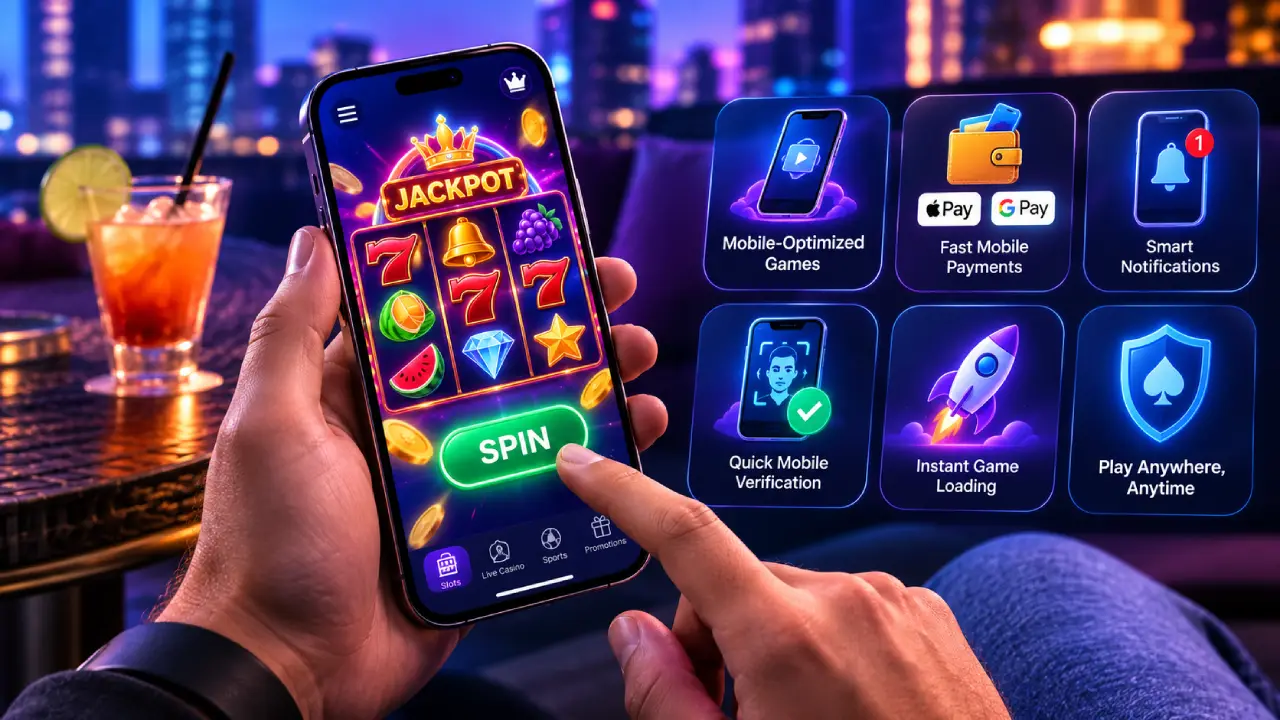
Desktop is no longer the default. In most regulated markets, mobile now accounts for the majority of real-money wagers, and that share keeps climbing. Casinos are responding with progressive web apps, native iOS and Android clients, and one-tap deposit flows built for players who never sit down at a computer.
Mobile-first design is about more than shrinking screens. It means:
- Optimizing games for portrait mode and short play sessions
- Building payment flows that work with Apple Pay, Google Pay, and mobile wallets
- Sending push notifications that respect player preferences rather than spamming
- Designing verification processes that a user can complete from a phone camera
- Compressing load times so games open the moment a player taps
Operators that treat mobile as an afterthought are already losing market share to competitors that built for it from day one. In many emerging markets, mobile is not just the primary channel; it is essentially the only channel.
5. Gamification Turns Casinos Into Interactive Playgrounds

Gamification borrows mechanics from video games and applies them to casino play. Instead of a static lobby, players see missions, levels, tournaments, and achievement systems that add layers of engagement beyond individual bets. Done well, it makes the experience feel rewarding even when a session does not end in a big win.
Common Gamification Features
| Feature | Description |
|---|---|
| Missions and quests | Complete objectives to unlock rewards |
| Loyalty levels | Progress through tiers with increasingly better perks |
| Tournaments | Compete against other players for prize pools |
| Collectibles | Earn badges, cards, or virtual items over time |
| Seasonal events | Time-limited content tied to holidays or themes |
| Community leaderboards | Compare progress with friends or global players |
Done well, gamification makes casinos feel less like transactional platforms and more like communities. Done poorly, it feels manipulative, so the best operators keep rewards genuinely valuable, the mechanics transparent, and the pace optional rather than pressuring.
6. Virtual Reality and the Metaverse Casino Experience

Virtual reality casinos have taken longer to arrive than early hype suggested, but the technology is finally catching up to the vision. Headsets like the Meta Quest series and Apple Vision Pro have created a large enough user base for serious experimentation, and several studios are building immersive lobbies, poker rooms, and slot halls specifically for VR.
The metaverse angle adds a social layer. Players can create avatars, meet friends at a virtual bar, and move between tables the way they would in a physical resort. Whether this becomes a mass-market phenomenon or remains a premium niche depends on how quickly hardware becomes cheaper, lighter, and more comfortable for long sessions.
Either way, the appeal is clear. Online gambling has always struggled to replicate the atmosphere of a real casino floor, and VR is the closest solution the industry has produced so far. Expect early adopter operators to use it as a brand-building tool even before the audience reaches mass scale.
7. Responsible Gambling Tools Become a Competitive Advantage
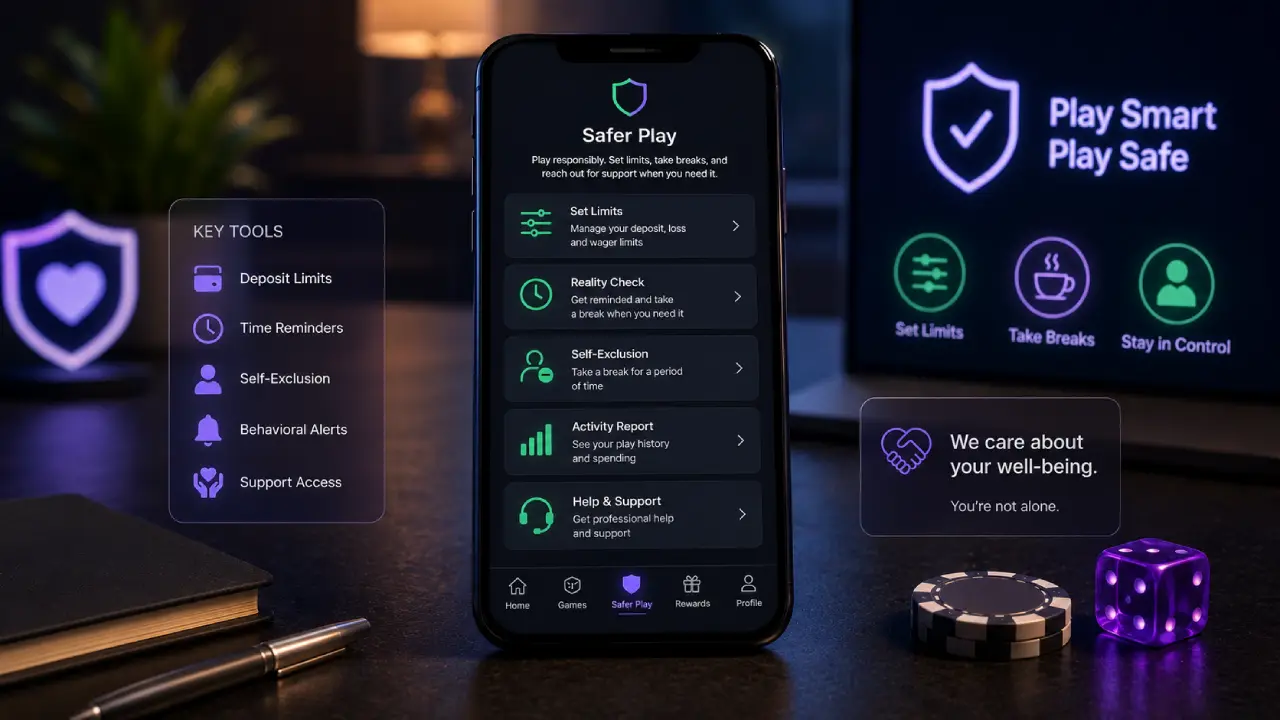
Responsible gambling used to be treated as a regulatory checkbox. That is changing rapidly. Operators now market their safer-play tools as features because players, regulators, and payment providers all reward transparency and care.
Modern responsible gambling suites often include:
- Deposit, loss, and wager limits set at the account level
- Reality checks that pause play after a set time
- Self-exclusion options with cross-operator recognition
- Behavioral analytics that identify early warning signs
- Personalized nudges when spending patterns shift
- Direct links to counseling and support organizations
Sites that combine strong safer-gambling tools with a clean user experience tend to enjoy higher long-term retention. The lesson is simple: treating players well is not just ethical, it is good business.
Comparison Table of Emerging Casino Technologies
To see how these trends stack up against one another, here is a quick side-by-side view of maturity, player impact, and how urgently operators need to invest.
| Trend | Maturity | Player Impact | Operator Investment Needed |
|---|---|---|---|
| Live dealer expansion | High | High | Medium to high |
| Crypto and blockchain | Medium to high | Medium | Medium |
| AI personalization | Medium | High | High |
| Mobile-first design | High | Very high | Medium |
| Gamification | Medium | Medium to high | Low to medium |
| VR and metaverse | Early | Currently low, potentially high | High |
| Responsible gambling tech | Medium to high | High | Medium |
No single trend will decide the winners of the next decade. The operators that thrive will combine several of them into a coherent product strategy rather than chasing headlines one at a time.
What Players Should Expect Next
For everyday players, the practical takeaways are straightforward. Expect faster payments, smarter game recommendations, more social play, and better tools to keep gambling fun rather than harmful. Expect brands to compete harder on user experience and less on inflated welcome bonuses, since regulators in many markets are cracking down on aggressive promotions.
The best move for players is to pick licensed operators, use the safer-play tools they provide, take advantage of loyalty programs that genuinely reward regular play, and keep an eye on industry news so you understand what is behind the changes you see in your favorite apps.
Frequently Asked Questions About Casino Trends
Are crypto casinos safe to use?
Reputable crypto casinos operate under recognized licenses and use provably fair systems that let players verify game outcomes. As with any online gambling site, safety depends on the license, the operator’s reputation, and your own security habits, such as using strong passwords and two-factor authentication.
Will VR casinos replace traditional online casinos?
Not in the short term. VR is likely to become an additional channel rather than a replacement, appealing to players who value immersion and social play while traditional web and mobile casinos continue to serve the mainstream audience.
How does AI make online gambling safer?
AI models can spot behavioral patterns linked to problem gambling, such as chasing losses or dramatic increases in session length, and trigger interventions like personalized limits, reality checks, or direct outreach from support teams.
What is the biggest trend to watch right now?
Mobile-first design and AI personalization are the two forces reshaping the industry most quickly. They influence nearly every other trend on this list, from how live dealer games are delivered to how responsible gambling tools reach the right players at the right moment.